Volumes
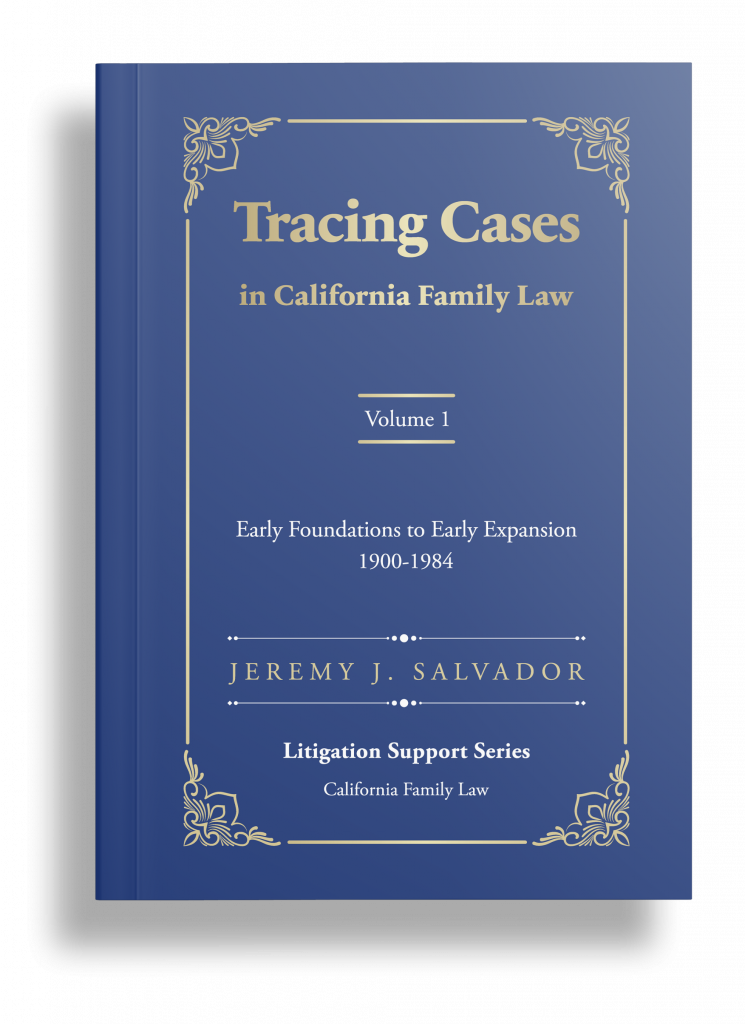
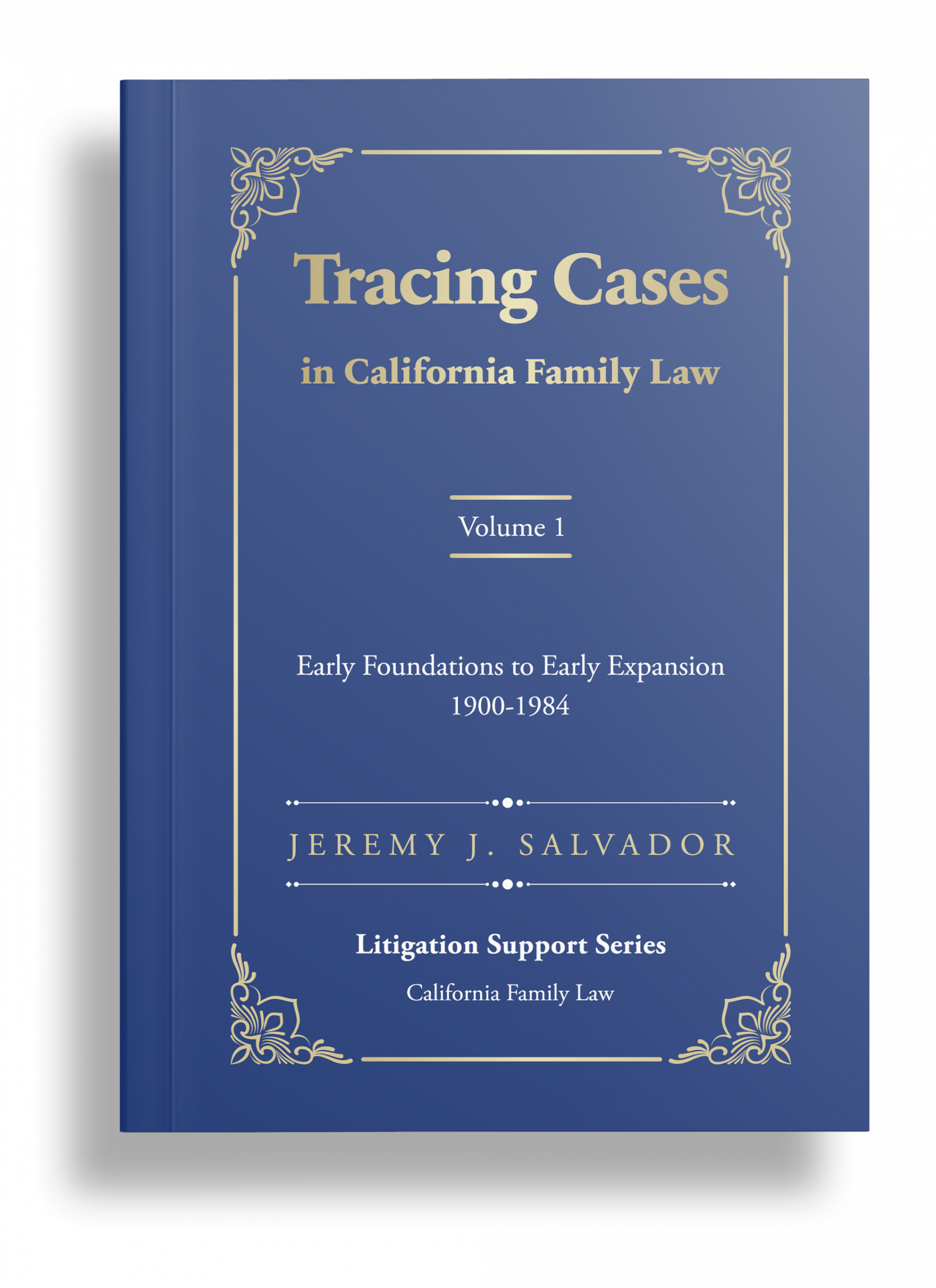
The Ground Rules: Tracing Doctrine's Birth, Evolution, and Consolidation in California Family Law (1901–1984)
California's tracing doctrine did not arrive complete. Courts built it case by case across eight decades, reasoning from raw principles when no established method existed. The 1960s brought structural consistency; the 1970s produced the presumption framework that permanently redefined how disputed assets are characterized. The early 1980s then pressed those rules against appreciation claims, reimbursement disputes, and asset types the founding courts never anticipated. Twenty-seven cases, four eras, the complete foundation every California tracing analysis still rests on.
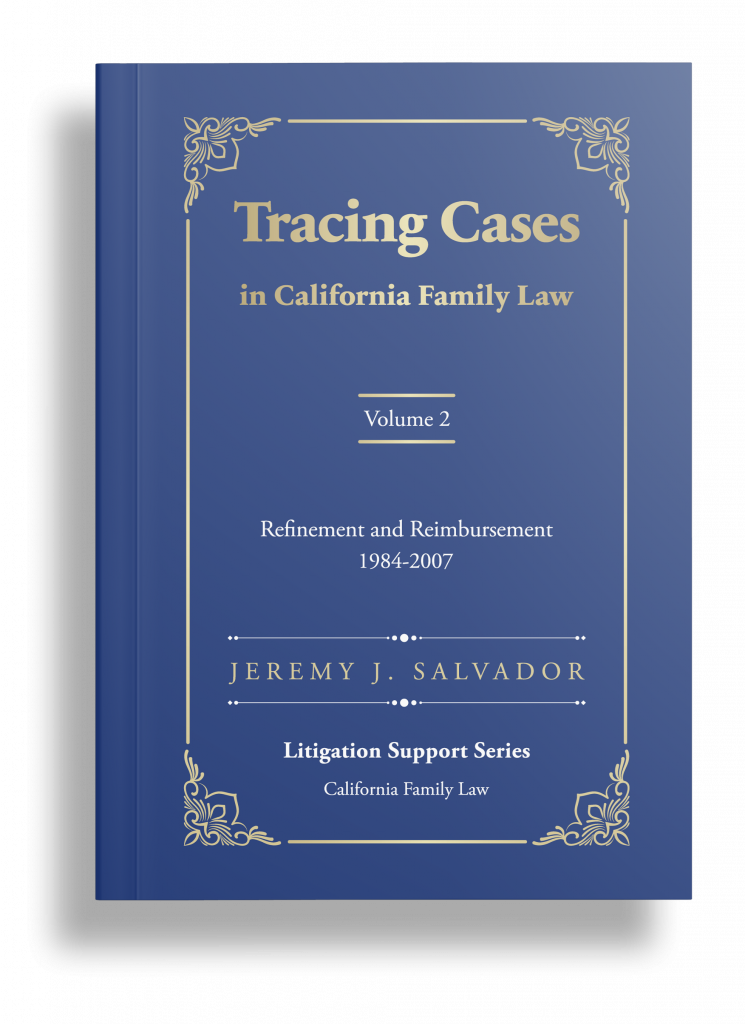
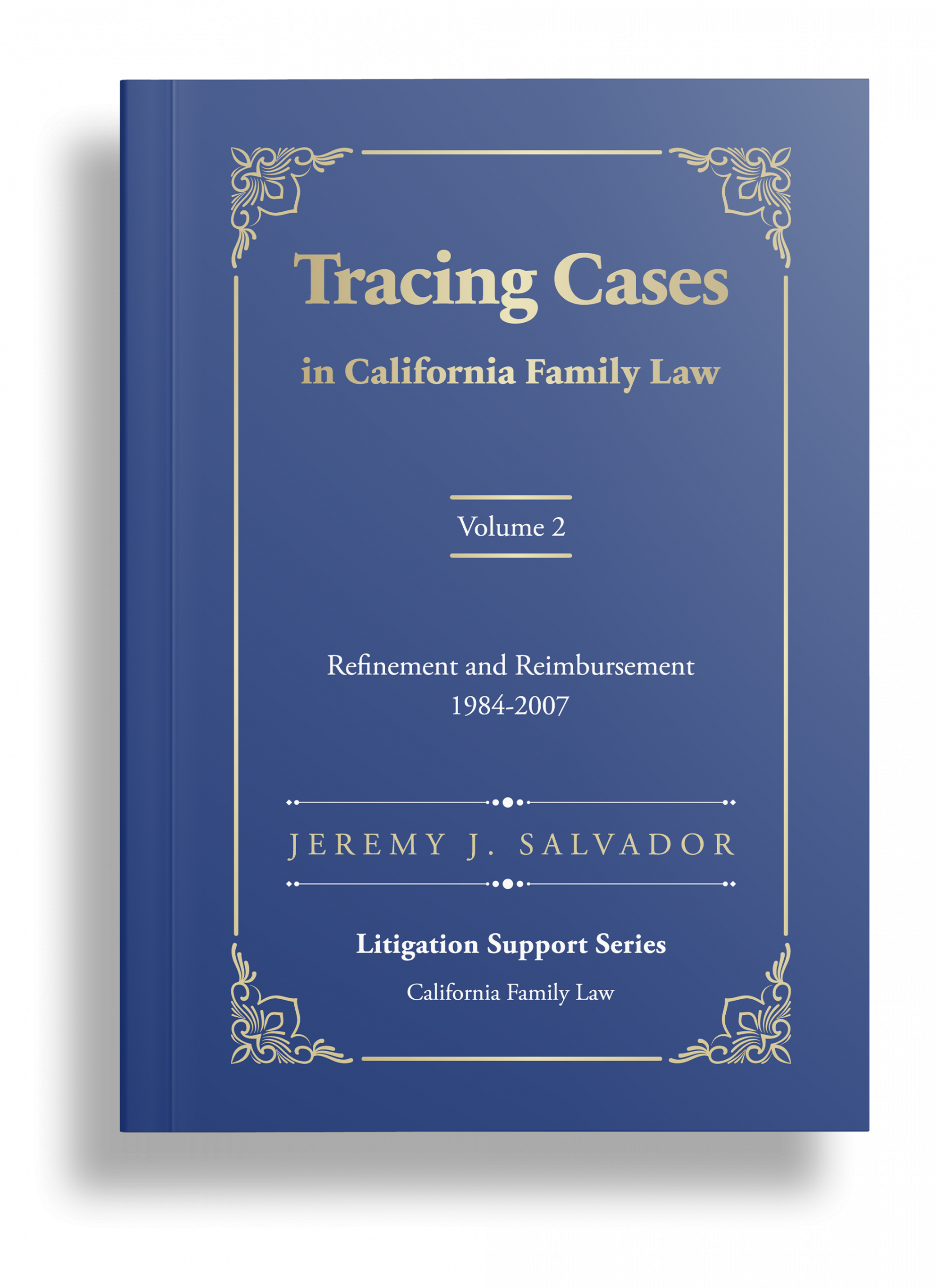
When the Rules Got Tested: Reimbursement, Appreciation, and the Refinement of California Tracing Doctrine (1980–1999)
A doctrine proves its worth only under pressure, and the 1980s and 1990s supplied exactly that. The expansion years compelled courts to address retirement benefits, business interests, and contested down payments that earlier judges never encountered. The refinement decade that followed restructured reimbursement principles, redefined appreciation tracing, addressed transmutation at death, and brought state doctrine into direct confrontation with federal tax classification standards. Twenty-six rulings across two demanding decades, each one sharpening the analytical instrument the next generation of practitioners inherited.
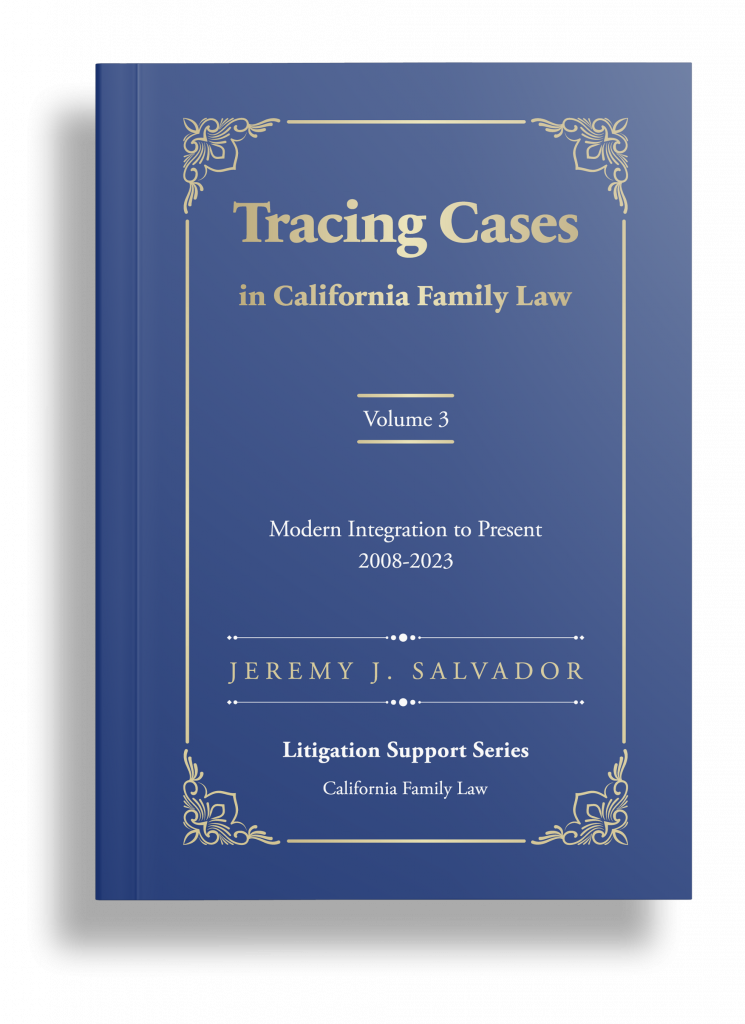
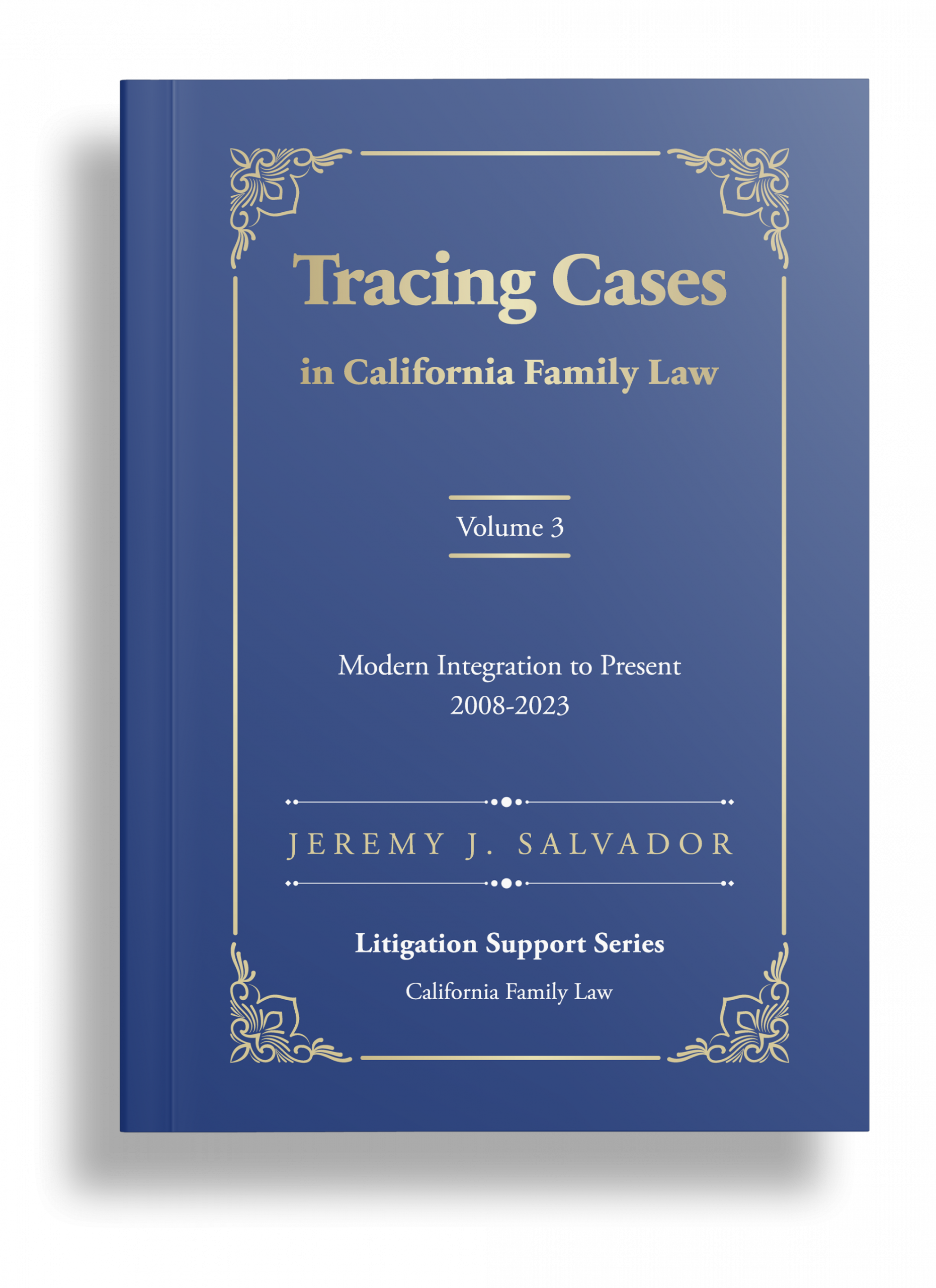
Doctrine in the Modern Era: How California Courts Applied a Century of Tracing Rules to 21st-Century Assets (2000–2023)
Established principles do not expire, but they do get stress-tested against unfamiliar terrain. The early 2000s extended tracing methodology into deferred compensation and retirement exhaustion structures that prior courts never examined. The following decade addressed employer stock options, transmutation requirements, and disputed-character loan attribution with a level of precision the original framework could not supply. The present era delivered a Supreme Court reset of joint-title presumptions, refined reimbursement scope, and produced the definitive modern guidance on exhaustion doctrine. Twenty-one decisions, the current operative state of California tracing law.